
What is White Glove Delivery?
What Is White Glove Delivery?
A sofa left in a hallway, a scratched dining table, a driver who rushes the handover - this is how a strong retail brand loses trust in the final few minutes of the customer journey. If you are asking what is white glove logistics, you are really asking what level of delivery service protects both the product and your reputation once it reaches the home.
White glove logistics is a premium delivery service designed for products that need more than a standard doorstep drop. It usually includes booked delivery windows, two-person handling, room-of-choice placement, unpacking, assembly where required, removal of packaging and a level of customer care that reflects the retailer’s brand. The focus is not simply getting an item from depot to address. It is delivering it properly, inside the home, with care, professionalism and accountability.
For retailers selling furniture, large homewares, fitness equipment, premium electronics or other high-consideration goods, that distinction matters. Customers do not separate the product from the delivery experience. They judge the whole purchase as one brand interaction.

What is white glove logistics in practice?
In practice, white glove logistics sits at the premium end of final-mile delivery. It is built for items that are bulky, fragile, high-value or difficult for customers to handle alone. Rather than treating delivery as a quick transport job, it treats it as a managed service with clear standards.
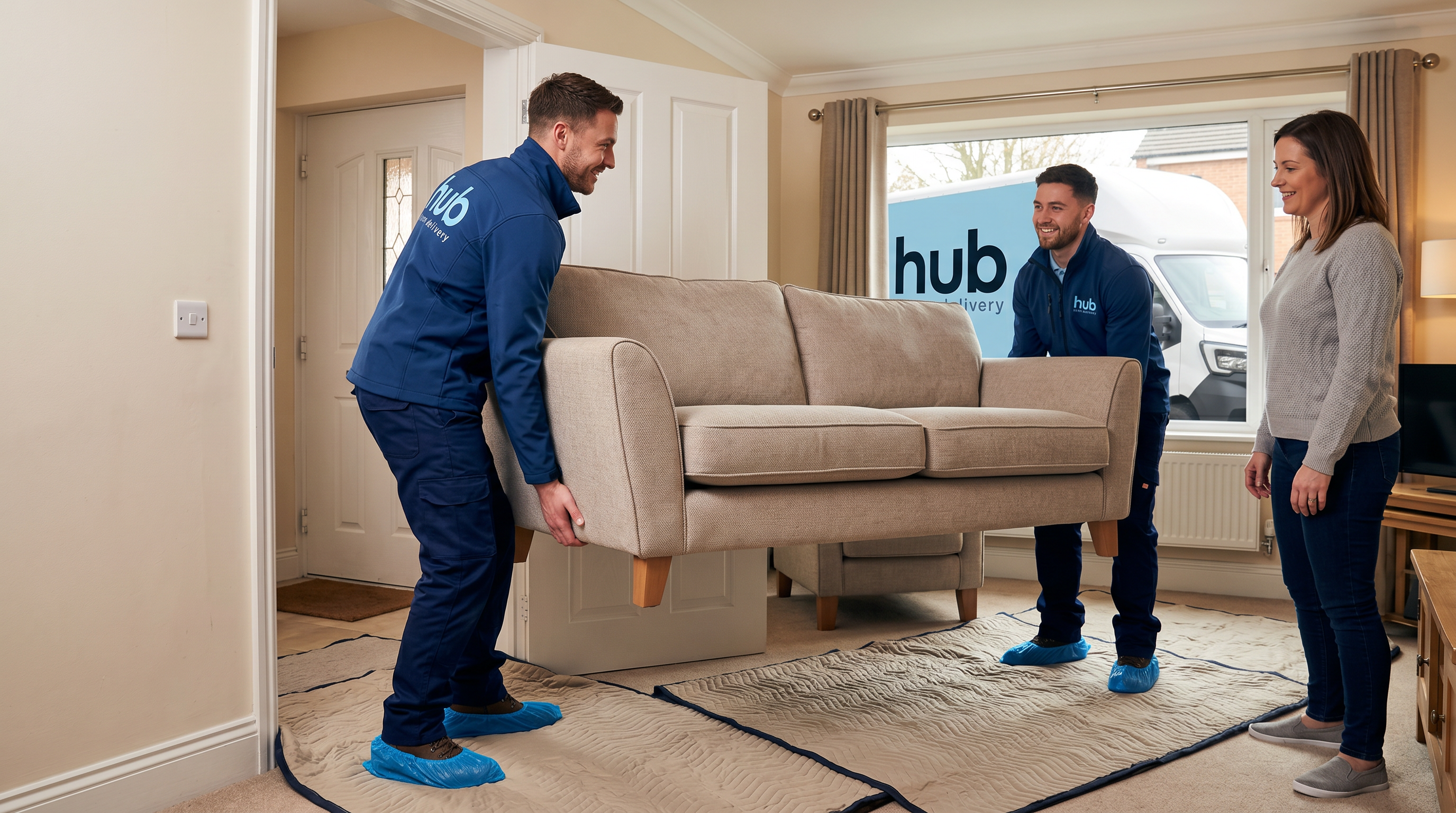
A white glove operation usually starts well before the vehicle arrives. Customers receive accurate communication, realistic delivery windows and updates that reduce uncertainty. On the day itself, trained two-person crews arrive prepared to handle the product safely, protect the property and complete any agreed in-home service. That may mean carrying a bed frame upstairs, positioning a wardrobe in the chosen room, assembling a table, testing a product, or taking all packaging away.
The service is more controlled because the risks are higher. One poor handover can create damage claims, failed installations, negative reviews and returns that cost far more than the original delivery fee.
How white glove delivery differs from standard courier service
The simplest way to understand white glove logistics is to compare it with conventional parcel or pallet delivery.
A standard carrier is usually built for speed, route density and volume. That model works well for small boxed goods that can be left safely at the threshold or carried in by one person. It is not designed for large furniture, delicate finishes or in-home presentation. The moment a product needs lifting by two people, navigating stairs, removing packaging or being assembled, the standard model starts to break down.
White glove logistics is structured around a different outcome. The aim is not just delivery completed. The aim is delivery completed well, with the product in the right place, in the right condition, and the customer confident they bought from a professional retailer.
That difference affects every stage of the operation - route planning, crew training, vehicle setup, customer communication, proof of delivery and issue resolution. It also affects cost. White glove service is more resource-intensive, so it is not the right fit for every SKU or every brand. But for products where delivery shapes the buying experience, the extra control is often commercially justified.
Why retailers choose white glove logistics
Most retailers do not move to white glove delivery because they want a more luxurious sounding service. They do it because poor final-mile performance is costing them customers.
When a product is large, valuable or central to the home, customers expect more than a drop-off. They expect care, courtesy and competence. If the delivery team turns up late, damages flooring, leaves packaging behind or refuses to take an item upstairs, the retailer absorbs the fallout. Customer service teams end up firefighting. Reviews suffer. Repeat purchase rates fall. Margin is lost through returns, redeliveries and goodwill gestures.
White glove logistics reduces those points of failure by placing more control into the final mile. For premium and design-led brands, it also protects the perception of quality. A carefully marketed product should not arrive through a delivery experience that feels careless or transactional.
This is especially relevant for furniture and bulky goods. The customer may have waited weeks, prepared a room and arranged time off work. Expectations are high. The delivery team is not just handing over a product - they are representing the brand inside the customer’s home.
What services are usually included?
White glove logistics is not a single fixed service. The exact scope depends on the product, the retailer’s promise and the customer journey you want to create.
Most white glove programmes include pre-booked appointments, two-person delivery, room-of-choice placement and careful handling as standard. From there, services may extend to unpacking, light or full assembly, packaging removal, product inspection, installation support and reverse logistics for returns or old item collection.
The right service level depends on what your customers are buying. A boxed side table may only need in-room placement and packaging removal. A large wardrobe or adjustable bed may need assembly and a longer appointment window. The point is not to add service for the sake of it. It is to match the delivery model to the product and the expectations attached to it.
What makes a white glove operation credible?
Not every provider offering a premium service is set up to deliver it consistently. The term can be used loosely, so retailers need to look beyond the label.
A credible white glove logistics partner should have trained two-person crews, not ad hoc subcontractors with mixed standards. It should have operational systems designed around booked delivery, customer communication and exception management. It should understand handling requirements for oversized and delicate goods, and it should be able to evidence professionalism in the home, not just transport capability on the road.
Unhurried routing also matters. If delivery schedules are overloaded, service standards slip quickly. Teams cut corners, appointments run late and in-home tasks become rushed. Premium service requires the time and structure to deliver properly.
Retailers should also look closely at accountability. When something goes wrong, how quickly is it reported? How are damages evidenced? Who owns the customer conversation? White glove logistics only works as a brand asset when the provider treats delivery performance as commercially significant, not operationally separate.
The commercial value of white glove logistics
The strongest case for white glove logistics is rarely cosmetic. It is financial.
A better delivery experience can reduce product damage, lower failed delivery rates and cut the hidden cost of customer complaints. It can also improve conversion, especially for higher-ticket items where buyers are cautious about how delivery will be handled. Clear service standards reassure customers before purchase and reduce anxiety after checkout.
There is also a long-term brand effect. Customers remember the final stage of the purchase more vividly than many retailers expect. When a delivery team is punctual, respectful and capable, it reinforces trust. When the experience is poor, the product itself can be judged more harshly, even if it arrives intact.
For operations leaders, this shifts white glove logistics from a cost line to a retention tool. For founders and commercial teams, it becomes part of the brand promise. That is why businesses such as Hub Home Delivery position delivery as more than transport. The final mile is where brand perception is either protected or undone.
Is white glove logistics right for every business?
Not always. If you sell low-value, compact products with minimal delivery risk, a parcel carrier may be entirely appropriate. White glove delivery adds cost and complexity, so it should be used where it solves a real commercial problem.
It is usually the right fit when products are large, heavy, fragile, premium or difficult to install. It also makes sense when your customers care deeply about presentation, convenience and service quality, or when negative delivery experiences are already creating complaints and churn.
In some cases, a mixed model works best. Retailers may reserve white glove logistics for higher-value lines, oversized items or orders requiring assembly, while using standard delivery for simpler products. The right answer depends on your product range, customer expectations and the cost of getting the delivery experience wrong.
What to ask before choosing a provider
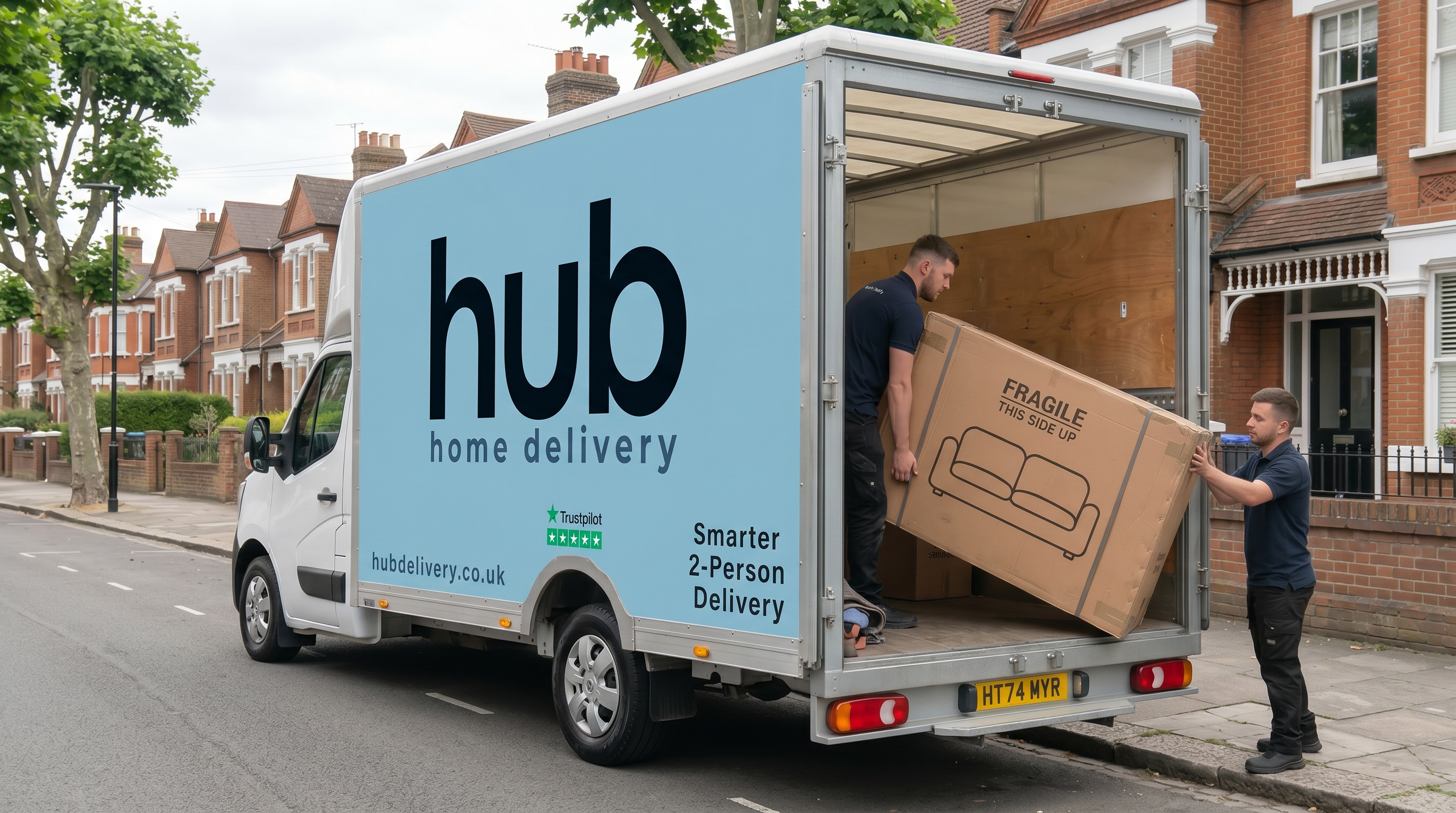
If you are reviewing partners, focus on how the service performs in the customer’s home, not just how it is described in a proposal. Ask how teams are trained, whether crews are dedicated two-person specialists, how delivery windows are managed and what in-home services are included as standard. Ask how damages, delays and customer issues are escalated. Ask what the customer actually sees and experiences on the day.
Most importantly, ask whether the provider understands that they are representing your brand. That mindset is the dividing line between a carrier and a delivery partner.
White glove logistics is not about adding polish to a basic service. It is about designing the final mile to match the value of what you sell. If your customers are inviting your brand into their home, the delivery experience should feel worthy of that trust.